
Skincare is more than just a beauty ritual. It is a key element for supportive healthy, glowing skin. With all of the information on the internet, it’s easy to succumb to the misinformation we find online. Skincare myths are prevalent everywhere from TikTok to old wives’ tales. Believing these myths can harm your skin, waste your money, and hinder your progress in skincare.
In this post, we are going to debunk the 20 skincare myths you need to stop believing. From skincare conundrum to getting a skin-smart skincare routine!
1. You Don’t Need Sunscreen on Cloudy Days
A major skincare blunder is neglecting to wear sunscreen when it’s cloudy outside. More than 80% of UV rays penetrate clouds and reach your skin on cloudy days. UV exposure is and will always be the primary cause of premature aging and skin cancer.
Skincare tip: Make it a habit to wear a broad-spectrum sunscreen with an SPF of at least 30 every single day, regardless of the weather.

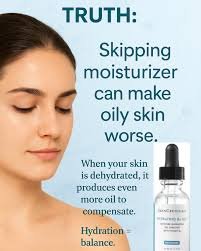
2. Oily Skin Doesn’t Need Moisturizer
Do you think oily skin doesn’t need hydration? You may want to think again. Not applying a moisturizer can cause your skin to produce even MORE oil to compensate!
Pro Tip: Apply a lightweight, oil-free moisturizer so that you can hydrate your skin without clogging your pores.
3. You Can Shrink Your Pores
You can’t permanently change the size of your pores–the size of your pores is genetic. But, you can make them appear smaller by keeping them exfoliated and clean.
You want to look for salicylic acid, niacinamide, and retinoids for ways to refine skin texture.
4. Natural Ingredients Are Always Better
“Natural” does not always equal “safe” or “effective.” Some natural ingredients may irritate the skin, cause allergic reactions or can exacerbate or cause certain skin conditions.
What to do: Choose products based on your skin’s needs and proven science, and not by a “natural” label.
5. Expensive Skincare Products Work Better
Price does not equal effectiveness. There are quality products with clinically approved ingredients for a lot less from brands you might find in the drugstore.
Skincare tip: Think ingredients, not brands or price tags.
6. You Only Need Sunscreen at the Beach
UV rays are all around us, not just found at the beach. They can penetrate windows, clouds, and even clothing.
Daily skin care practice: Make sunscreen a part of your daily habit, even if you are indoors most the day.
7. You Can Wash Acne Away
Overwashing can deplete your skin and cause more breakouts. Acne is not just caused by dirt – it has an association with hormones, bacteria, and inflammation.
Best practice: Wash your face two times a day, then apply a light moisturizer. Use additional agents for targeting and treating blemishes -(benzoyl peroxide, salicylic acid etc.)
8. More Products = Better Skin
Using too many products can overwhelm your skin and lead to irritation.
Skincare tip: Keep it simple! Using just a basic moisturizer, cleanser, and sunscreen combo works for most skin types. Add actives only if needed!
9. Tingling Means It’s Working
A subtle tingle could be normal with actives like AHAs, but stinging or burning generally indicates irritation.
Rule of thumb: If a product hurts, stop using it!
10. Your Skin Gets Used to Skincare Products
The majority of skincare ingredients do not lose effectiveness over time. If your skin is better, the product is working.
If things plateau: Re-assess your needs, or check in with a dermatologist don’t throw away products too easily.
11. Acne Is Just a Teen Problem
Adult acne is real and common, particularly for women. It can often be linked to stress, hormonal changes and lifestyle elements.
Skincare strategy: Adult acne should be treated with specific products, not harsh adolescent acne washes.
12. You Don’t Need Anti-Aging Products Until You’re Older
It’s easier to prevent signs of aging than to reverse them. Start early with antioxidants, retinol, and SPF.
Pro tip: Begin with preventative products in your 20s for long-term results.
13. Popping Pimples Makes Them Heal Faster
Popping pimples can result in scarring, infections, and take longer to heal!
Better idea: Use your preferred spot treatment and let pimples heal naturally!
14. Makeup Causes Acne
Makeup does not cause an acne breakout poor makeup removal does. Sleeping in your makeup/dirt on your skin and/or using dirty brushes is the issue.
Healthy habit: Always remove your makeup before bed and regularly clean your brushes.
15. Drinking More Water Will Fix Dry Skin
Although drinking water is essential, it will not directly hydrate your skin.
Solution: Apply topical moisturizers containing humectants such as hyaluronic acid and glycerin to lock in moisture.

16. Toothpaste Is a Good Spot Treatment
Toothpaste can dry pimples out but also irritates and could damage skin.
Smart move: Use clinically studied acne treatments like sulfur acne masks or benzoyl peroxide instead.

17. Only Dry Skin Needs Exfoliation
Exfoliation is good for all skin types. It gets rid of dead cells and improves skin smoothness.
What to do to exfoliate: A chemical exfoliant (AHAs, BHAs) is usually better than gritty scrubs, and go slow.
18. Hot Water Opens Your Pores
Pores don’t open or close. Hot water may help remove debris, however it’s also able to strip your skin of natural oils.
Skin-friendly tip: Cleanse your face gently using lukewarm water.
19. You Don’t Need a Routine Until You Have Skin Problems
Skincare is preventative. Following a regular regimen will help you avoid future skin issues (ex. acne, wrinkles, pigmentation, etc).
You can start simple – with a cleanser, moisturizer, and SPF. Then scale up based on your goals for your skin.
20. Dark Skin Doesn’t Need Sunscreen
Melanin-rich skin still needs protection against UV damage, hyperpigmentation and skin cancer.
Essential tip: Use a broad-spectrum SPF every day, regardless of your skin colour.
Final Thoughts: Ditch the Myths, Upgrade Your Skincare Routine
Skincare should be based in science, not trends or outdated ideas. If you believe any of these skincare myths, you could be preventing yourself from achieving clear, bright, and healthy skin. By identifying these and other common skin myths, you can create a better routine and make better skincare decisions.
Remember: good skincare is about consistency, ingredients, and information. Always listen to your skin, read the data, and when in doubt, see your dermatologist.
