
A good credit score can unlock all sorts of financial doors. Discover practical steps for improving your credit score in the UK and securing better lending opportunities.
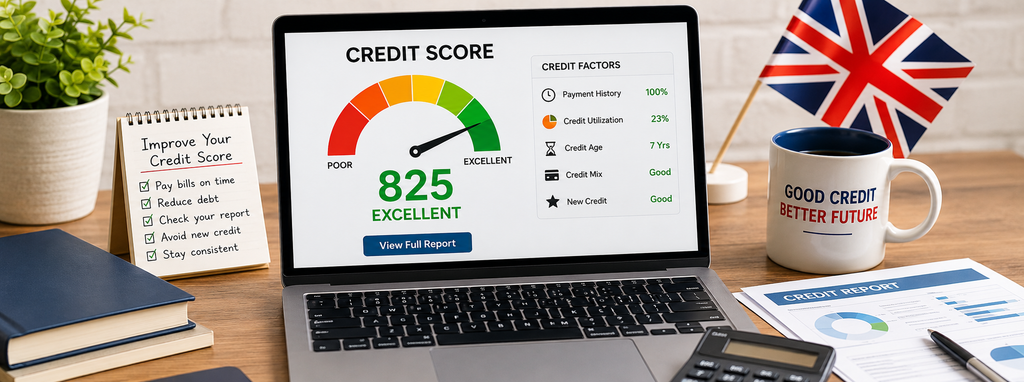
Credit Score
Think of a good credit score as your financial passport one that opens the door to better loans, mortgages, credit cards, and even rental agreements. Learning how to improve your credit score is a key step toward financial freedom and security. In the UK, credit scores are tracked by major agencies like Experian, Equifax, and TransUnion, and they play a big role in determining how financially reliable you look to lenders. Whether you’re asking “How do I improve my credit score?” or hunting for the fastest way to raise it, this guide has you covered.
What Is a Credit Score and Why Is It Important?
Your credit score is a numerical snapshot of your creditworthiness. Put simply, it reflects how likely you are to repay borrowed money, essentially vouching for you. UK credit scores typically fall somewhere between 0 and 999, depending on which agency is doing the scoring. The higher your score, the better your odds of accessing favorable terms, like lower interest rates and higher credit limits.
Credit scores matter because they touch so many parts of your financial life. Lenders, landlords, and even utility companies may run a credit check before approving your application. A strong score doesn’t just reflect financial responsibility it also gives you peace of mind that you’ll qualify for better options whenever you need them.
How Credit Scores Are Calculated
Credit agencies build your score around factors like:
- Payment history: whether you pay your bills on time.
- Credit utilization: how much of your available credit you’re actually using.
- Credit history length: how long you’ve been using credit.
- Credit mix: the variety of credit types you hold, such as loans, credit cards, or mortgages.
- Recent credit activity: new credit applications or inquiries.
Each agency runs a slightly different scoring model, but the underlying principles stay largely the same.
How to Check Your Credit Score in the UK
The first step toward improving your score is knowing exactly where you stand. In the UK, you can pull your credit report for free through major agencies like:
- Experian: offers a free credit score and report via its website or app.
- Equifax: accessible for free through services like ClearScore.
- TransUnion: available through platforms like Credit Karma.
Checking your credit report regularly keeps the information accurate and helps you catch errors that could be dragging your score down. It’s also worth running a credit check before applying for a major loan or mortgage, just to avoid any surprises.
Steps to Improve Your Credit Score
Improving your credit score takes time and consistent effort. There’s no instant fix, but these actionable steps can lead to real, noticeable progress over time.
Pay Bills on Time Every Time
Payment history is one of the biggest factors driving your credit score. Late or missed payments can knock it down significantly. To stay on track:
- Set up direct debits for recurring bills like utilities and credit card payments.
- Use reminders or apps to keep track of due dates.
- Pay the full balance whenever you can, to sidestep interest and fees.
Consistently paying on time lays the groundwork for a solid credit history, and it’s often the fastest way to see real improvement over time.
Manage Your Credit Utilisation
Credit utilisation is simply how much of your available credit you’re currently using. As a rule of thumb, try to keep it under 30%. If your card limit is £2,000, for example, aim to use no more than £600 at any given time. Staying under that threshold shows lenders you’re using credit responsibly rather than relying on it too heavily.
If cutting your utilization feels difficult:
- Pay down balances gradually throughout the month instead of waiting until the due date.
- Ask for a credit limit increase, but be careful not to let spending creep up along with it.
- Steer clear of maxing out cards or taking on debt you don’t need.
Avoid Too Many Credit Applications
Every credit or loan application triggers a hard inquiry on your report. Too many of these within a short window can drag your score down and make you look financially unstable to lenders. To keep this in check:
- Spread out credit applications over several months.
- Use pre-qualification or eligibility-check tools that don’t affect your score.
- Only apply for credit when you actually need it, and confirm you meet the criteria first.
Register to Vote at Your Current Address
Getting on the electoral roll is a small step that can make a real difference to your score. Lenders use it to confirm your identity and address, adding an extra layer of credibility to your financial profile. If you haven’t registered yet, head to the government’s voter registration site to update your details.
Build a Positive Credit History
If you’re new to credit, or your history is thin, start building it carefully:
- Consider a credit-building credit card, designed for people with little or poor credit history. Use it for small, manageable purchases and clear the balance in full each month.
- Keep long-standing accounts open. Closing older accounts can shorten your credit history and pull your score down.
- Diversify your credit mix by responsibly using different credit types, such as a personal loan or store card.
Correct Errors on Your Credit Report
Mistakes on your credit report can drag your score down without you realizing it. Checking your report regularly helps you catch issues like:
- Incorrect personal details.
- Accounts you never opened (a possible sign of identity theft).
- Payments logged as late when they were actually made on time.
If you spot an error, reach out to the credit agency right away to file a dispute. Most cases get resolved within 30 days, often giving your score a quick boost.
What to Avoid While Building Your Credit Score
Building a strong score also means steering clear of habits that can undo your progress:
- Don’t close old accounts unnecessarily: since credit history length matters, keeping older accounts open usually works in your favor.
- Avoid defaulting on debts: unpaid debts or defaults can linger on your report for up to six years.
- Watch your financial associations: joint accounts with someone who has poor credit can drag your score down too. Consider unlinking accounts if it becomes a problem.
Tools and Resources to Help You Improve Your Credit
A handful of tools and services can make tracking and improving your credit score much easier:
- Free credit monitoring apps: ClearScore, Credit Karma, and Experian all offer regular updates and insights.
- Budgeting tools: apps like YNAB (You Need a Budget) or Money Dashboard help manage expenses and prioritize debt repayment.
- Financial institutions: some banks offer credit-building programs or personalized advice.
Leaning on these resources makes it easier to stay on top of your financial health and hit your credit goals.
Improving your credit score in the UK comes down to patience, consistency, and a solid grasp of how credit actually works. Checking your credit report regularly and correcting errors as they pop up keeps you in control of your financial story. A strong credit score is the key to real financial freedom. Start putting these steps into practice today, and start reaping the benefits of better lending options, lower interest rates, and a more secure financial future.
For more helpful tips on managing your finances, stay tuned to Huntmecoupons.com for insightful, practical advice!
