
Introduction
Tea has always been much more than a drink. Around the world, tea can represent warmth and community, care, and mindfulness. In some cultures, tea is a central component of rituals; in others, tea is a vehicle for hospitality, slowing down, and indulging. Typically, tea may not be the first thing that comes to mind about Germany, but tea enjoys a fascinating and deep-rooted relationship in German culture.
Across the country, tea lovers of all kinds are fostering traditions and modernity. They love the rituals and traditions while engaging in the new and modern tea blends that connect to today’s wellness-based lifestyle. A new respect for tea is growing in Germany, and a key pillar of that growth has been a trusted tea company in Germany. This company has a history that stretches back to the 19th Century, and they have consistently turned tea into an everyday comfort, a cultural companion, and a people-oriented and sustainable option.
This article will examine the long history and evolution of tea culture in Germany; from its early evolution to its more recent evolution. We will talk about the history, the types of products, the evolution and innovations that keep tea relevant, and the sustainability practice of tea that aligns with modern values. By the end of the article, it will be clear that tea in Germany is not only here to stay but is also thriving in exciting new ways.
German Tea Culture: A Historical Prelude
Tea made its debut in Europe in the 17th century as a scarce luxury. Both the Dutch and the British were at the forefront of trade and tea was first seen in aristocratic circles as the fashionable beverage. The donated was slower in countries like Germany where coffee took precedence, but some areas were early adopters and created a foundation for a later tradition.
East Frisia and Its Rituals:
It was in Northern Germany, in East Frisia, that German tea culture developed its roots. The rainy and boomingly, stormy climate found on the North Sea demanded hot, strong tea to combat the dismal feeling the weather would create. Families surrounded the kettle in a somewhat shared, ritualistic practice, creating black tea blends that were strong, poured into porcelain cups, with rock sugar and cream. This ritual was slow, preceded by deliberation, and involved a communal aspect.
Eventually, the East Frisian tea ceremony was included in a UNESCO designation as a part of Germany’s intangible cultural heritage. The act of the tea ceremony elevated tea from drink to identity.
Expanding Beyond the North:
With trade routes opened up and the economy in better condition, tea spread throughout the country. By the 19th century, tea consumption had increased dramatically. It was during this time, that entrepreneurs saw the chance to introduce high-quality blends to the wider public. One of these entrepreneurs began what would eventually become the largest tea brand in Germany.
A Heritage Rooted in the 19th Century
The brand’s story began in 1852 with Eduard Meßmer. His mission was ambitious yet simple: provide high-quality tea to ordinary families at an accessible price. At that time, tea was still considered somewhat exclusive. By carefully selecting and blending teas, Eduard ensured that more households could enjoy consistent flavor without paying premium prices.
Through strategic sourcing and careful attention to consumer tastes, the company quickly gained recognition. While others focused only on import and resale, this brand created blends tailored specifically to German palates. By doing so, it established trust that has lasted for generations.
The mid-20th century brought another revolution: the tea bag. Convenience suddenly became essential in post-war Germany. Families juggling work and rebuilding efforts wanted simple ways to enjoy their favorite beverage. The brand adapted quickly, introducing tea bags that maintained quality while saving time. This innovation not only secured loyalty but also expanded reach across demographics.
The Product Universe: A Blend for Every Occasion
One major reason for the brand’s enduring popularity lies in its vast product portfolio. By offering something for every taste and every situation, it has turned tea into a versatile daily companion.
Black Tea: A Timeless Classic
Black tea still represents the heart of German tea culture. The brand offers strong Assam blends, classy Darjeelings, and hearty East Frisian teas. Each one has great depth and aroma, and provides consistency. A strong cup of black tea is often the start to most Germans’ days, and the brand always makes sure each brew is to expectations.

Green Tea: Wellness in a Cup
The rise of global awareness surrounding health benefits positioned green tea squarely in Germany. Sencha and jasmine and flavored green teas made their way into kitchens across the country not simply for their flavor but for their antioxidants. The shift mirrored a changing lifestyle, where people began associating tea with health, wellness, and longevity. The brand responded by offering a versatile ranging that can satisfy both traditionalists and adventurous drinkers alike.

Herbal Infusions: Nature’s Remedies
Herbal teas (or Kräutertee) are firmly entrenched in a German home. There’s peppermint tea for digestion, chamomile tea for relaxation, fennel tea for calming children these herbal teas continue to be a source of comfort. Driven by past customer experiences, the new herbal blends, rooibos – vanilla and ginger – lemon also focused on creativity. Our company and such herbal tea can pair tradition and freshness.
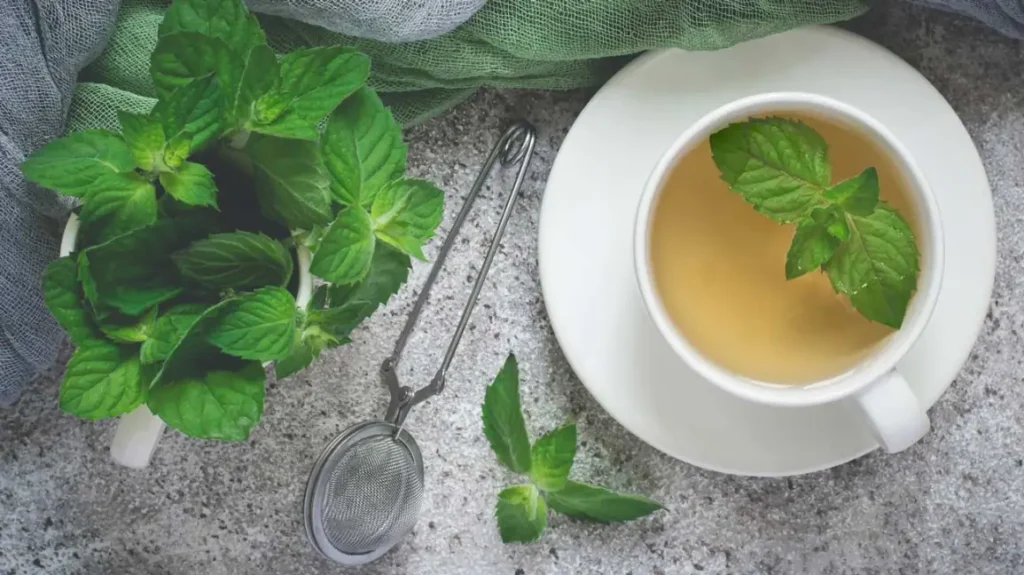
Fruit Teas: Sweet and Refreshing
Fruit teas, with no caffeine, and a strong flavor profile, appeal to families and the young. Hibiscus, apple, berry, and citrus blends can be enjoyed hot during winter, or cold as refreshing iced-teas during the warmer summer months. Their versatility makes them popular all year long.

Specialty and Seasonal Teas:
To keep from being too repetitive, the brand consistently has limited editions. Winter blends that feature cinnamon and cloves, exotic flavors based on mysterious distant lands, or functional teas with vitamins to keep things interesting. These new releases for each season and specialty releases create excitement for the customer while inviting them to try a new flavor while still enjoying their tastes.

Innovation: Staying Relevant in Modern Times
A heritage brand needs to innovate to survive; that has been this company’s approach.
- Convenience: Tea bags changed how we drink tea every day, and then the individually wrapped tea sachest that allowed freshness and portability.
- Functional blends: From responding to the health trends, this company’s tea line has identified teas for immunity, relaxation, or focus.
- Digital/Social: The brand uses its online shop and gives the company an online marketing platform for campaigns to come directly from the brand to customers. Recipes, tips, and lifestyle content deepen engagement.
- Expanding the tea moment: The brand’s campaign is about tea being a drink, but that it is also about the ritual that lives within mindfulness, family time, or post-workout recovery.
The brand is also able to stay relevant with new generations, while keeping the heritage as a trusted brand.
Tea as a Cultural Connector
Tea means something more in Germany. It’s not simply about rehydrating; it’s a culture connector. It brings people together at times, offers a moment of pause when days get hectic, and offers comfort when life is stressful. Many families will typically share tea after a meal, and larger gatherings of friends will also convene around the teapot to socialize.
The brand understands the emotional significance of tea. Campaigns for years have focused on tea’s role as a connector between people: the grandparents teaching a ritual to grandchildren, friends laughing together over fruit tea, professionals finding a moment of calm among the chaos of a busy schedule. By establishing this great cultural association with tea and focusing on the “experience of tea,” the company seeks to enhance its cultural significance.
Sustainability: More Than a Buzzword
Today’s consumers expect more than taste they demand responsibility. This brand integrates sustainability into every step of its process.
Ethical Partnerships:
Sourcing from tea requires cooperation globally. Farmers in India, Sri Lanka, and Kenya supply a good portion of the raw product and the brand’s direct connection to its growers as a way of developing long-term partnerships for fair wages and safe working conditions. These partnerships lead to benefits for communities of farmers and guaranteed quality for consumers.
Recognized Certifications:
Numerous blends feature certifications such as Rainforest Alliance, Fairtrade, or organic seals. These labels provide customers that sustainable promises are valid and credible. By allocating resources to certification, the company is showing it takes accountability seriously.
Packaging Innovation:
Even though packaging takes effort in the beverage space, it’s evident that we are making strides. The deployment of biodegradable tea bags, recyclable materials and reduced reliance on plastics show that progress continues. While every small improvement may seem insignificant on its own, cumulatively, it can result in a large effect when applied at scale.
These commitments to sustainability also put the brand in a good position to engage and connect with environmentally conscious consumers who are looking for products that align with their values.
Customer Stories: Tea That Lives in Memory
Ask any Germans about their first memory of having tea, and often they will mention this brand. Some may note heartfelt afternoons with their grandparents. Students might include revising through the night while having the same reliable companion. Busy parents may talk about a calming opportunity to pause from busy concurrents.
Consumer reviews show three significant strengths with their products: reliability of flavour, variety of tea for every budding mood, affordable pricing. People know they can rely on the flavour, they can find a tea for any mood, and most likely, they won’t break the bank while finding their tea. This loyalty demonstrates the emotional connection experience from brand to consumer.
Wellness: Tea as Daily Care
Wellness has become central to modern living, and tea naturally fits within this movement. Herbal infusions calm the mind, green tea supports metabolism, and chamomile encourages restful sleep. Tea provides gentle, holistic benefits without the harshness of artificial stimulants.
By highlighting these qualities, the brand positions tea as a tool for everyday care. Functional blends cater to specific needs better digestion, immune support, or relaxation after work. This focus on wellness keeps tea relevant in a world that prizes balance and health.
Strengths That Define Success
The brand’s success can be attributed to few defining strengths:
- Rich heritage: Over 150 years of heritage engenders trust.
- Wide selection: There is a blend for every palate and occasion.
- Accessibility: Quality products at reasonable prices appeal to the masses.
- Ongoing innovation: New products and new ideas allow the brand to stay consistently fresh and relevant.
- Sustainability: Ethically sourced and sustainable actions align with consumer values today.
Challenges in a Competitive Market
The beverage market is inundated with options. Specialty coffee shops, bubble tea platforms, and artisanal matcha brands are all vying for the same attention, most urgently from the next generation of consumers. The start-ups are staking a claim on niche products, while large-scale tea producers are ramping up to aggressively develop European marketplaces.
For the brand to remain relevant, it needs to continue innovating but also continue to build on its history and heritage. There will be fresh opportunities exploring organic ranges, market testing zero-waste packaging, and engaging across mix social media outlets and even interactive experiences. This approach can help the brand remain vigilant while remaining faithful to its heritage.
The Future of German Tea Heritage
Looking forward, the future of German tea culture is bright. With wellness and sustainability dominating consumer choices, tea can show the way forward, being both traditional and modern.
Here are some exciting opportunities:
- International footprint: German tea rituals, specifically East Frisian rituals, may receive more international acknowledgement.
- Wellness: Teas that have added adaptogens or vitamins may enter the market.
- Industry benchmarks: If the brand can push packaging innovation, then it can lead sustainability, and provide industry benchmarks.
- Lifestyle: the brand can diversify the tea market outside of beverages, into wellness, skincare, foods or recipes, and mindfulness.
Through balancing its heritage with an innovative mindset, this brand has a unique opportunity to lead in the next generation of tea culture.
Conclusion
From its 19th-century origins to its present-day status, this tea producer from Germany has a remarkable story to tell. It has helped to turn tea from a luxury into a basic good, become part of cultural rituals, and adapted to different trends.
Today, it offers flavor, sustainability, wellness and relationship. Every cup of tea represents history, care and product innovation. For millions of Germans who have tea from this company tea is more than a drink, it is a go-to friend, a moment of tranquility, and an inheritance passed through generations.
As consumers continue to demand authenticity and accountability, this company is positioned to be responsive. Its past has warranted credibility; its present is a great adaptability; and its future promises to be leadership. In the tea world, it is how heritage, and advancement, can thrive together beautifully.
