
These days, our world has become incredibly savvy with skincare, and there are many sources of information surrounding what products to use, when to use them, and how many steps your skincare routine should have. But one question that still many people are puzzled about is:
Do I actually need two different skincare routines for morning and night?
The short answer: Yes.
The longer (and definitely more useful) answer? Let’s break down exactly why — and how to make each routine optimized for better skin health, faster results, and no confusion.
Welcome to your complete guide on Morning vs. Night Skincare: What You Actually Need. Whether you’re just starting out with skincare or you’re an obsessed, you will leave this guide with a smart, effective, and science-backed skincare routine that fits your lifestyle.
Why Morning and Night Skincare Should Be Different?
Our skin has a natural 24-hour circadian rhythm, which impacts function in everything from oil production to barrier function to cell regeneration. So you want to have your skincare routine work with these changes to provide your skin with what it needs when it needs it.
Morning = Protection Mode:
During the daytime, your skin is inside windows:
- UV exposure.
- Pollution.
- Blue light from your screens.
- Free radicals.
- Makeup and sweat.
This is why, in the morning, your skincare plan is also about defense – protecting your skin.
Night = Repair Mode:
At nighttime, your body is repairing while you sleep:
- Increased skin cell turnover.
- Increased blood flow to skin.
- Increased production of collagen.
- Skin barrier becomes more permeable.
This is an ideal time to apply your treatments, such as retinol, exfoliants, and rich nourishing moisturizer to help your skin recover and rebuild.
Morning Skincare Routine: What You Actually Need
Morning skincare should be about prepping and protecting your skin for the day. Here’s a simple effective routine that anyone can follow:
1. Gentle Cleanser:
Start with a gentle cleanser. You want to gently cleanse away any excess oil, sweat, or residue from any product you used the night before. A rinse with water may be enough for dry or sensitive skin.
- Look for: Low-pH gel, cream, or milk cleansers
- DO NOT use: Harsh foaming cleansers that remove the skin’s protective barrier.

2. Antioxidant Serum (Vitamin C):
Using Vitamin C during your morning skincare routine can help prevent free radical damage, minimize dark spots, and provide an extra layer of protection under your sunscreen.
- Alternatives: Niacinamide, ferulic acid, resveratrol, or green tea extract.

3. Lightweight Moisturizer:
In the morning, you should still maintain hydration, even if you have oily or acne-prone skin. Use a non-comedogenic moisturizer with hydrating and barrier-supporting ingredients.
- Key ingredients: hyaluronic acid, ceramides, glycerin.

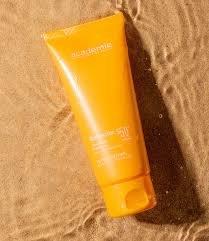
4. Sunscreen (SPF 30 or Higher):
Sunscreen is by far the most important step in your morning regimen. Sunscreen will protect you from sun damage, prevents aging, and protects you from skin cancer.
- Look for: Broad-spectrum SPF 30+.
- Types: Mineral (zinc oxide) or Chemical (avobenzone).
- If you are going to be in the sun, reapply every 2 hours.
Night Skincare Routine: What You Actually Need
Your nighttime routine is where the real work happens. Now you have the opportunity to nourish, repair, and reset your skin while you sleep!
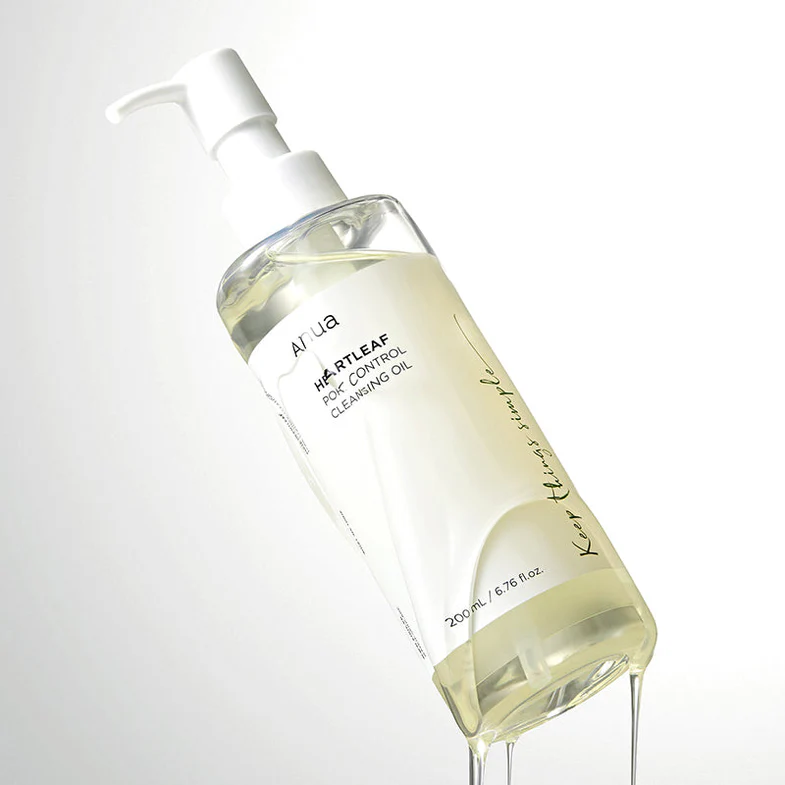
1. Double Cleanse:
If you wore any make-up or sunscreen, you will want to begin with an oil-based cleanser or micellar water followed up with a gentle water-based cleanser.
- Step 1: Oil cleanser (dissolves make-up, SPF, and sebum).
- Step 2: Gentle foaming or cream cleanser.
2. Targeted Treatment:
The evening is the prime time to introduce treatments that focus on performance and effectiveness, such as:
- Retinoids/Retinol: Stimulates cell turnover to smooth fine lines and wrinkles.
- AHAs/BHAs: Exfoliates, and refines skin texture.
- Niacinamide: Calms and strengthens skin barrier.
- Hyaluronic Acid: Hydrates thoroughly without an oily residue.
Tip: Do not use all actives every night and rotate actives to see how your skin tolerates each one.
3. Moisturizer or Sleeping Mask:
Lock moisture in with a night cream that nourishes and restores your skin. Skin loses more water while sleeping, so don’t forget this step even if you are oily.
- What to look for: Ceramides, peptides, squalane, shea butter.

4. Eye Cream (Optional):
If you’ve got a puffiness or dryness problem area around your eyes, try a light eye cream with either caffeine, peptides, or hyaluronic acid.

The Science Behind Your Skin’s Daily Cycle
The time of day you are applying your products is one of the least talked about factors of taking good care of your skin. Here is how your skin behaves differently depending on the time of day:
Morning: Your Skin’s Shield
- Sebum production increases to support the barrier.
- Absorption of products is lower.
- The skin is more susceptible to damage from UV and pollution.
Best for: Antioxidant, SPF, light hydration.
Night: Your Skin’s Healing Hour
- The skin is undergoing cell generation at an increased rate.
- The skin is more accepting of active ingredients.
- Trans epidermal water loss is at an increase.
Best for: Retinol, peptides, exfoliants, rich moisturizers.
Common Skincare Mistakes to Avoid (Day & Night)
It is just as important to avoid common mistakes as it is to use the right products. Let’s take a look at what you SHOULD NOT do and how to correct it.
Morning Skincare Mistakes:
- Not applying SPF through indoors or on cloudy days → UV rays penetrate through windows and clouds. Always wear sunscreen. According to the American Academy of Dermatology, daily sunscreen is the most important step in any skincare routine.
- Overloading on actives. → Don’t layer vitamin C, AHAs, and niacinamide unless you know what you are doing.
- Cleansing too much. → Over-cleansing your skin depletes the natural oils your skin needs.
- Not having the correct order of application. → Apply it in this order always cleanse serum moisturizer sunscreen.
Night Skincare Mistakes:
Sleeping with SPF or makeup on:
→ Always double cleanse before bed so they do not clog your pores and cause breakouts.
Starting strong with retinol:
→ Start slow; use retinol 1-2x/week, and buffer with moisturizer.
Exfoliating daily:
→ Use chemical exfoliants at most 2-3x per week.
Dirty pillowcases:
→ Change every week to prevent oil and bacteria transfer.
Beginner-Friendly Skincare Routines
Here is a straightforward, efficient, AM/PM routine that works: AM:
Morning Routine for All Skin Types:
- Gentle cleanser.
- Antioxidant serum (Vitamin C).
- Lightweight moisturizer.
- Broad-spectrum SPF 30+.
Night Routine for All Skin Types:
- Oil cleanser + water-based cleanser.
- Retinol or niacinamide serum ( alternate nights).
- Nourishing moisturizer.
- Eye cream or sleeping mask (optional).
Tips for Personalizing Your Skincare Routine
Each person’s skin is unique. What works for one individual may not work for another so consider customization tips:
1. Know Your Skin Type:
- Dry: tight, flaky, dull.
- Oily: shiny, acne-prone, enlarged pores.
- Combination: oily T-zone, dry cheeks.
- Sensitive: easily irritated, red, reactive.
- Normal: balanced and rarely reactive.
2. Adjust With the Seasons:
- Use heavier moisturizers in the winter and lighter formulas in the summer.
- Increase exfoliation in humid months if skin congests.
3. Introduce Products Slowly:
- Please add one new skin care product at a time.
- Patch test for 24-48 hours before applying to your whole face.
Final Thoughts: Morning vs. Night Skincare Matters
Your skin needs are different throughout the day so should your skincare!
In the morning, you’re focusing on defending your skin with antioxidants, light hydration products, and SPF.
In the evening, you are focusing on repairing your skin with retinoids, other treatments or serums, and nourishing creams.
You don’t need a ten-step skincare routine just an intelligent, consistent routine that works with your skin type and concerns, as well as lifestyle.
