
In today’s beauty-obsessed world, skincare is no longer just about the way you look, it is about health, safety, and long-term wellness in addition to how you look. What if hundreds of products branded as “clean,” “natural,” and backed by “dermatologist” are saturating the market. How do you know what is safe for your skin…and yourself!
While the label might claim otherwise – if it says it will make miracles happen, chances are WOW you are using skin care with a crap load of toxic and/or irritating ingredients – ingredients that can cause anything from breakouts to hormone disruption. In this ultimate guide, we will address the most common, and damaging, ingredients to avoid in skincare (and why you really need to reconsider what you put on your skin everyday).
Why You Should Care About Skincare Ingredients?
Your skin is your body’s largest organ, and just like anything else you apply to your body, a lot is absorbed, too. Many times your skin is stretched or irritated, or sometimes you have an allergic reaction, you may not see those immediate effect but over time you may be exposing yourself to long-term effects that could go undetected until it is too late. You can have allergic reactions and chronic irritation, you may experience hormone disruption and could even increase your risk of cancer, just by applying products with hidden apathetic beauty hazards in your daily cares. Awareness of the ingredients you are putting on your face and/or body, is not just a trend, it is self-care and an act of self-protection.
1. Parabens – The Silent Hormone Disruptors
Commonly used in: Moisturizers, serums, face washes, makeup Parabens are artificial preservatives meant to prevent the growth of mold and bacteria. You might see them labeled as methylparaben, butylparaben, or propylparaben.
Why avoid parabens?
Parabens are endocrine disruptors, meaning they mimic estrogen in the body. Studies have found links to hormonal disruptions, breast cancer, and reproductive problems. While parabens are used in small amounts, the cumulative exposure from several products increases your risk of health issues.
2. Synthetic Fragrances – The Unlabeled Allergen
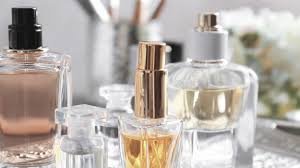
Commonly found in: Toners, creams, cleansers, perfumes Fragrance or “parfum” might smell nice, but it often conceals a cocktail of undisclosed chemical compounds.
Why avoid synthetic fragrance?
Fragrances are one of the biggest skin irritants and can provoke allergies, eczema, migraines, and even respiratory issues. Fragrances are also linked to hormone disruption. Look for fragrance-free, or products that are labeled “naturally derived essential oils.”
3. Sodium Lauryl Sulfate (SLS) and Sodium Laureth Sulfate (SLES)
Typically found in: Cleansers, shampoos, face washes Foaming agents give you the satisfying lather, but not without a sacrifice.
Why avoid SLS and SLES?
Foaming agents extract your skin’s natural oils, which is harmful to your moisture barrier and leads to dryness, irritation, and sensitivity. To make matters worse, SLES is frequently contaminated with 1,4-dioxane, a known carcinogen.
4. Formaldehyde and Formaldehyde Releasers
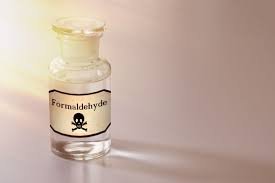
Typically found in: Preservatives in lotions, serums, nail products Ingredients like DMDM hydantoin or quaternium-15 release formaldehyde slowly to inhibit bacteria growth.
Why avoid them?
Formaldehyde is a carcinogen and respiratory irritant. Even at low doses, it can trigger skin reactions in sensitive individuals.
5. Phthalates – Hidden Hormone Disruptors
Often seen in: Fragrance, nail polish, some moisturizers Similar to parabens, phthalates disrupt hormones and are often hidden under “fragrance.”
Why avoid phthalates?
They have been linked with developmental and reproductive toxicity which is particularly concerning for pregnant people and kids.
6. Mineral Oil and Petrolatum – The Pore Cloggers
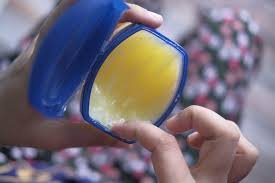
Typical makeup: Lip balms, moisturizers, ointments These cheap occlusives, derived from petroleum, simply put, can only trap moisture.
Why avoid them?
hey can clog pores and cause acne (particularly if they’re not refined properly). The risk of lower-quality sources containing carcinogenic PAHs (polycyclic aromatic hydrocarbons) is an important consideration.
7. Oxybenzone and Octinoxate – Toxic Sunscreen Chemicals
Frequently found in: Chemical sunscreens These UV filters absorb UV rays, but come with a price.
Why avoid them?
They’re linked to hormone disruption, allergic reactions, and harm to the environment, particularly coral reef bleaching. Switch to: Zinc oxide or titanium dioxide sunscreens for safer and reef-safe sun protection.
8. Triclosan – The Antibacterial Enemy
Commonly found in: Acne products, antibacterial soaps Triclosan was once widely known for its antibacterial benefits.
Why avoid it?
It’s been poked and prodded for links to antibiotic resistance, thyroid dysfunction, and hormonal disruption, has been eliminated from hand soaps in many countries but still exists in skincare.
9. Alcohol (Denatured, SD, Isopropyl)
Usually found in: Toners, astringents, gels Alcohol produces a quick-drying sensation but can be quite rough on the skin.
Why avoid it?
Exposure to alcohol can cause dryness, irritation, and damage to your skin barrier, it can even worsen acne and inflammation.
10.Polyethylene Glycols (PEGs)
normally found in: Creams, cleansers, serums PEGs improve texture and help moisture soak into the skin.
Why avoid them?
They can contains ethylene oxide and 1,4-dioxane; both are carcinogens. PEGs can strip your skin of protective oils.
11. Talc – The Controversial Powder
Often found in: Baby powder, setting powder, some face products Talc absorbs moisture but may be contaminated with asbestos.
Why avoid it?
There’s a connection with respiratory issues and ovarian cancer, with asbestos-contaminated talc. It’s wise to use talc-free.
12. Artificial Dyes (FD&C Colorants)
Typical location: Cosmetics, lotions, bath products These colorants enhance the appearance of products.
Why avoid them?
FD&C pigments are coal-tar derived, and can cause skin sensitivity, skin reactions and are potential carcinogens.
13. Hydroquinone – The Skin Lightener with Risks
Often found in: Fade creams, dark spot correctors Hydroquinone is used to treat hyperpigmentation and can be effective, but it is also dangerous.
Why avoid it?
Excessive use can lead to a side effect know as ochronosis (blue discoloration of the skin), and it is restricted in several countries due to potential cancer risks.
14. Toluene – The Nail Product Toxin
Commonly found in: Nail polish, nail treatments A solvent that improves application and finish.
Why avoid it?
Toluene is a neurotoxin known to cause dizziness and nausea and has been linked to birth defects and is especially dangerous for pregnant people.
15. Resorcinol – The Overlooked Irritant
Typically found in: Acne treatments, hair dye Resorcinol is very damaging, but effective in softening tough skin.
Why avoid it?
It suffers from the effects of skin irritation, thyroid dysfunction, and its use has been limited in several countries.
How to Choose Safe Skincare Products?
Transitioning to clean beauty doesn’t have to be overwhelming or expensive. In fact, you can take a few deliberate steps and make smart decisions to care for your skin and safeguard your long-term health. Here’s how to get started making better choices in skincare:
1. First, Always Read the Ingredient Labels Carefully:
Before anything else ,get into the practice of turning the product over. Many toxic ingredients lie under elaborate packaging, or claims of “natural.” Look for names such as parabens, sulfates, phthalates, or “fragrance.” If you see these, you should be wary!
2. Next, Use Ingredient Checker Tools for Quick Insights:
Once you’ve spotted an unfamiliar ingredient, don’t make an assumption — instead leverage online resources such as EWG’s Skin Deep, INCI Decoder or Think Dirty. These resources give you the most literally transparent way to separate the fillers from what you are really using and if these components are safe.
3. In Addition, Go for Fragrance-Free Options Whenever Possible:
Even though a pleasant scent may be tempting, it’s often best to leave it out. Synthetic fragrances are among the top irritants on the list of irritants in skincare. Going fragrance free is especially beneficial for those with sensitive skin or allergies.
4. Then, Prioritize Leave-On Products for Ingredient Quality:
While it’s important to check all your skincare, but it’s better to spend firstly on products which stay on your skin the longest (i.e, moisturizers, serums, and sunscreens). Because these products remain on your skin for hours, it gives them more opportunity to be penetrated into your skin.
5. After That, Switch to One Clean Product at a Time:
There’s no need to feel like you have to completely change your routine overnight! It can be as simple as replacing products as you finish them. This can make the switch less overwhelming, plus you notice how each clean product works on your skin.
6. Moreover, Choose Brands with Transparent Labeling:
Companies that reveal all their ingredients and don’t use authors to vaguely include ingredients such as “fragrance” or “proprietary blend”, will be trustworthy. Look for certifications like Cruelty-Free, ECOCERT or USDA Organic to make sure they are following higher standards.
7. Finally, Listen to Your Skin and Adjust Accordingly:
Skin is unique for everyone. A product that works well for one person may disturb another person’s skin. If a clean product leaves your skin red, dry, broken out, or otherwise irritated, then it is okay to rethink your choice. Your skin is the best feedback system you have; listen to it.
Final Thoughts: Your Skin Deserves Better
Understanding skincare ingredients can feel overwhelming and frightening. But your skin is worth it. Your health is worth it. While not all chemicals are bad, there are many (and common) ingredients in typical and traditional skincare that have serious health implications.
Transitioning to non-toxic skincare does not have to be ostentatious or expensive. Begin with baby steps. Replace one product with a non-toxic product at a time. Educate yourself. And most importantly listen to your skin!
